

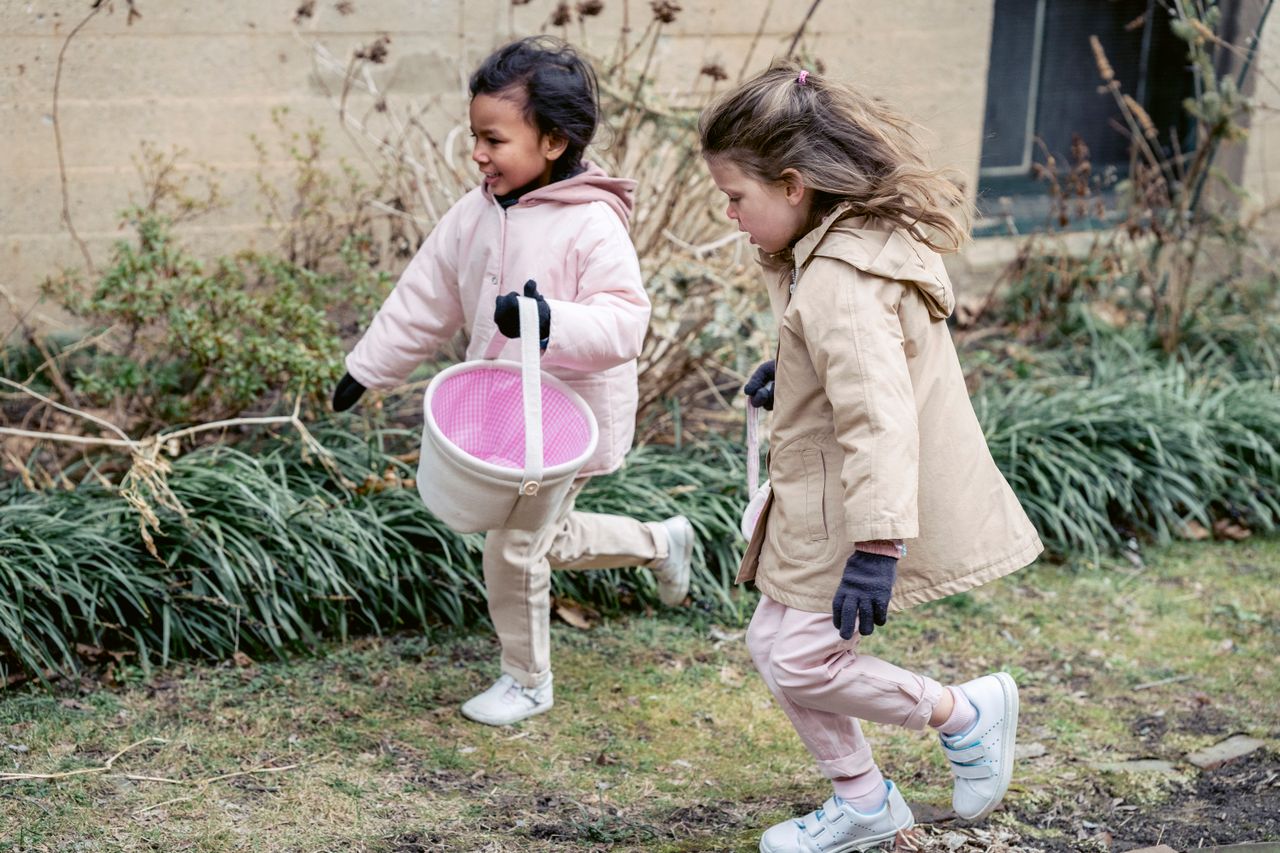
A scavenger hunt is a fun activity that encourages children to explore their surroundings, solve simple clues, and discover hidden objects. It can turn an ordinary afternoon into an exciting adventure without requiring expensive toys or complicated preparation. Parents can organise a scavenger hunt at home, in the garden, or during a family outing.
Whether you are planning an indoor activity for a rainy day or an outdoor game for a birthday party, a simple scavenger hunt can keep children entertained while encouraging creativity, observation, and problem-solving skills.
Choose a Suitable Scavenger Hunt Theme
Start by selecting a theme that matches your child’s age and interests. Having a theme makes the activity more engaging and gives children a clear idea of what they need to find.
Nature Scavenger Hunt
A nature-themed hunt is ideal for outdoor activities. Children can search for large leaves, smooth stones, flowers, feathers, and other safe natural objects.
Indoor Scavenger Hunt
An indoor hunt works well when the weather prevents outdoor play. Hide familiar household objects, colourful toys, books, or other safe items around different rooms.
Colour Scavenger Hunt
For younger children, a colour-based hunt is an easy way to introduce observation and colour recognition. Ask them to find something red, blue, green, yellow, or another selected colour.
Prepare a List of Items to Find
Once you have chosen a theme, create a list of objects that children need to discover.
Keep the list relatively short, especially for younger participants. Five to ten items are usually enough for a simple activity.
For example, an indoor scavenger hunt might include:
- A red toy.
- A soft cushion.
- A picture book.
- A wooden spoon.
- A blue building block.
- A stuffed animal.
- A round object.
For children who are not yet reading, use pictures instead of written instructions.
Choose Safe Hiding Places
The next step is deciding where to hide the objects. Select locations that are easy to reach and suitable for the children’s ages.
You can place toys behind cushions, beside bookshelves, under a table, or inside an accessible storage basket.
Avoid hiding objects near electrical outlets, sharp tools, cleaning products, heavy furniture, stairs, or other potentially dangerous areas.
For outdoor hunts, choose a clearly defined area such as a garden or enclosed playground. Explain the boundaries before starting.
Create Simple Clues
Clues make scavenger hunts more exciting because children must think about where an object might be hidden.
Use Easy Riddles
Write short clues that describe the object’s location without directly naming it.
For example:
- “I keep your favourite stories. Look where books stay.”
- “You sit on me when you feel tired. Check underneath.”
- “I help you see your reflection. Look nearby.”
Younger children may benefit from picture clues or direct instructions, while older kids can enjoy simple riddles.
Arrange Clues in a Sequence
For a slightly longer activity, make each discovered clue lead to the next location. This creates a small adventure with a final surprise waiting at the end.
Gather the Necessary Supplies
You do not need many materials to organise a successful scavenger hunt.
Prepare a checklist, printed pictures or written clues, pencils, small containers for collected objects, and a simple reward if desired.
For outdoor activities, a small collection bag can help children carry their discoveries.
If you are organising a group activity, prepare separate checklists or assign different objects to different teams.
Explain the Rules Before Starting
Before the hunt begins, explain how the game works.
Tell children which objects they need to find, where they are allowed to search, and whether they should collect items or simply mark them on a checklist.
If several children are participating, encourage teamwork rather than making the activity unnecessarily competitive.
Set a reasonable time limit if appropriate, but allow younger children enough time to complete the challenge comfortably.
Add Creative Challenges
Once children understand the basic game, introduce additional activities to make the experience more interesting.
Picture Challenges
Ask children to draw an object they discover or take a photograph with adult assistance.
Counting Challenges
Include simple instructions such as finding three round objects or identifying two items of the same colour.
Movement Challenges
Add small activities between clues, such as hopping five times, walking like a penguin, or performing a funny dance.
These extra challenges make the scavenger hunt more interactive and encourage children to use different skills.
Choose a Simple Reward
A small reward can make the final discovery exciting. Consider giving children stickers, colouring sheets, certificates, or a small craft item.
For group activities, it is helpful to recognise everyone’s participation rather than focusing only on who finishes first.
You can also make the final reward a shared activity, such as decorating cupcakes or enjoying a family game.
Keep the Activity Age-Appropriate
The difficulty of a scavenger hunt should match the children’s developmental abilities.
Toddlers generally enjoy finding familiar objects using pictures and simple instructions. Preschool children can follow colour clues and basic riddles. Older children may enjoy more challenging puzzles, multi-step clues, and themed adventures.
Always supervise young children and avoid small objects that could present choking hazards.
Conclusion
Setting up a simple scavenger hunt for kids is an affordable way to create an enjoyable and educational activity at home or outdoors. By choosing an interesting theme, preparing an easy checklist, hiding objects safely, and creating age-appropriate clues, parents can organise an exciting adventure with very little preparation.