

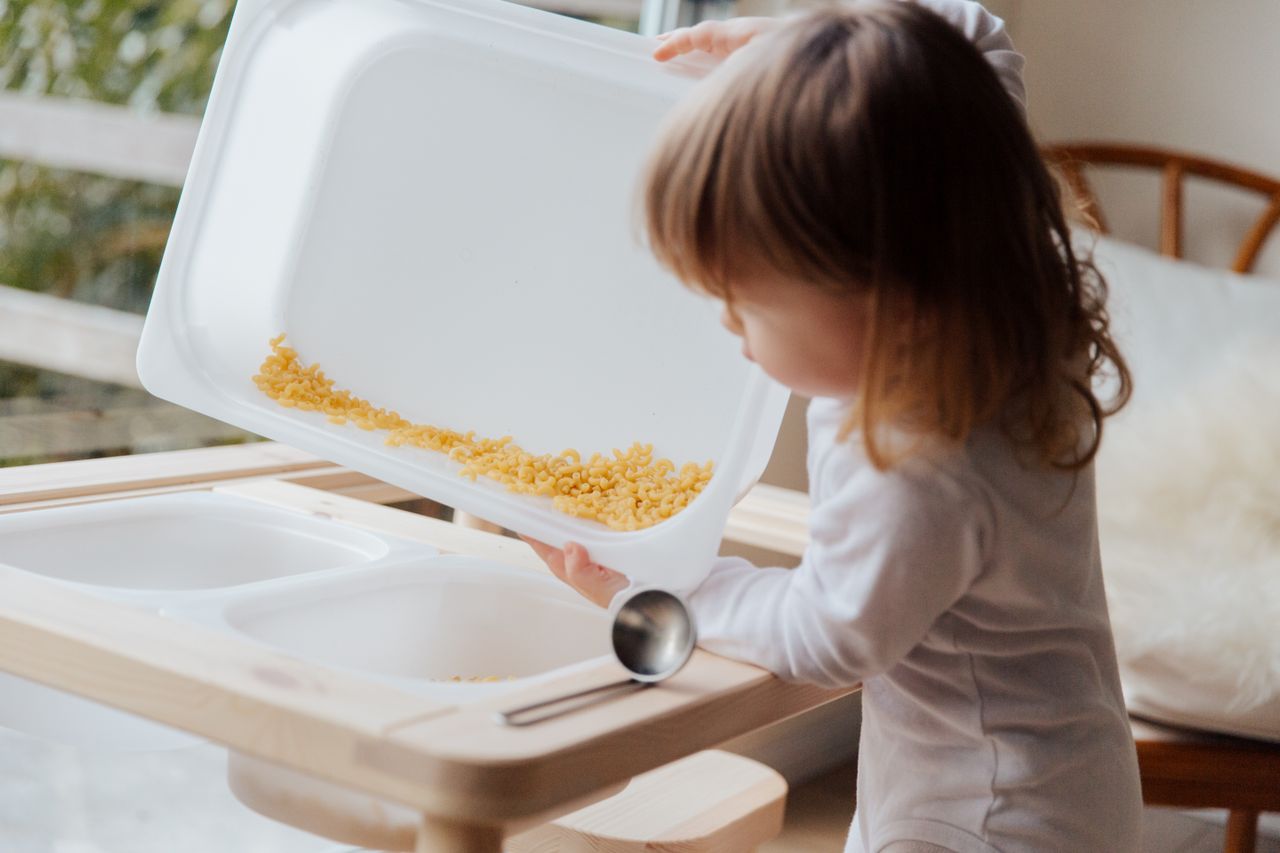
Sensory play is an enjoyable way for children to explore the world through their senses. It involves activities that encourage kids to touch, see, hear, smell, and sometimes taste different materials in a safe and supervised environment. From playing with water and sand to exploring colourful objects and textured materials, sensory activities can make everyday learning more exciting.
Parents do not need expensive toys or specialised equipment to introduce sensory play at home. With a few household supplies, it is possible to create simple activities that encourage curiosity, creativity, and early learning.
Understand the Benefits of Sensory Play
Sensory play gives children opportunities to investigate different materials and understand how things feel, look, sound, and behave.
These activities can support several areas of development.
Develop Fine Motor Skills
Picking up small objects, pouring water, squeezing soft materials, and transferring items between containers help children practise hand and finger movements.
Encourage Language Development
Parents can introduce descriptive words such as rough, smooth, soft, hard, cold, warm, wet, and dry during activities. This helps children connect new vocabulary with real experiences.
Support Creativity and Problem-Solving
Sensory activities encourage children to experiment, make observations, and discover different ways to use materials.
For example, building shapes with play dough or filling containers with water can introduce simple concepts such as size, quantity, and cause and effect.
Choose a Suitable Space for Sensory Play
Before starting an activity, select a comfortable area where children can explore without damaging furniture or household items.
A kitchen floor, washable play mat, or outdoor balcony can be suitable depending on the activity.
Use a shallow plastic tray or large container to keep materials organised. Place an old towel underneath the activity area to make cleaning easier.
Keep electrical equipment, sharp objects, and fragile decorations away from the play space.
Try Simple Water Play Activities
Water play is one of the easiest sensory activities to organise at home.
Set Up a Water Exploration Tray
Fill a shallow container with a small amount of water. Add large plastic cups, spoons, funnels, and floating bath toys.
Encourage children to pour water between containers, observe floating objects, and explore how different tools move water.
Introduce Temperature Exploration
Offer separate containers with comfortably cool and lukewarm water. Let children compare the temperatures using their hands.
Always check the temperature yourself and avoid hot water.
Water activities require continuous adult supervision, especially for babies and toddlers. Even shallow water can present a drowning risk.
Create a Homemade Texture Box
A texture box allows children to explore different materials through touch.
Collect safe household items with different surfaces, such as soft fabric, clean sponges, large smooth wooden blocks, and textured silicone toys.
Place them inside a basket and encourage children to describe how each item feels.
You can ask simple questions such as whether an object is soft, hard, smooth, or bumpy.
For younger children, choose large items without detachable parts to reduce choking risks.
Explore Homemade Play Dough
Play dough provides an excellent opportunity for squeezing, rolling, pressing, and shaping.
Prepare a Simple Play Dough Mixture
Combine flour, salt, water, and a little cooking oil to make a basic homemade dough. Add a small amount of food colouring if desired.
Allow the mixture to cool completely before giving it to children.
Provide age-appropriate tools such as large plastic cutters, rolling pins, and safe moulds.
Children can make simple shapes, animals, letters, or pretend food while developing hand coordination.
Homemade salt dough is not edible, so supervise children closely and prevent tasting.
Introduce Colour and Sorting Activities
Colour-based sensory activities help children recognise differences and practise sorting.
Use large coloured blocks, fabric pieces, or plastic balls in different shades.
Ask children to group objects according to colour, arrange them from light to dark, or create simple patterns.
Younger children can start by identifying two basic colours, while older kids can explore more complicated sorting challenges.
Try a Safe Nature Exploration Activity
Natural materials can provide interesting sensory experiences.
Collect large, clean leaves, smooth stones, and sturdy pieces of bark from a safe area. Wash them before introducing them into a supervised activity.
Encourage children to compare their shapes, colours, and textures.
Avoid unknown plants, mushrooms, sharp objects, toxic materials, and anything that may cause an allergic reaction. Never allow children to put natural objects in their mouths.
Use Everyday Sounds for Sensory Learning
Sensory play is not limited to touch and sight. Sound-based activities can also encourage listening and observation.
Create a simple sound basket using safe household objects such as a wooden spoon, soft fabric, and a securely sealed container filled with large, firmly enclosed objects.
Let children explore different sounds by gently tapping or shaking the objects.
Keep noise levels comfortable and avoid small loose materials that could create choking hazards.
Keep Sensory Activities Age-Appropriate
The best sensory activities depend on a child’s developmental stage.
Babies benefit from supervised exploration using safe, large, washable objects and different textures. Toddlers generally enjoy water play, simple sorting, and play dough activities.
Preschool children can explore more detailed experiments, creative building, colour mixing, and nature-based activities.
Always supervise children and adapt materials according to their individual abilities and safety needs.
Conclusion
Setting up sensory play at home does not require expensive equipment or complicated preparation. Simple activities involving water, textures, play dough, colours, natural m